BIF Urges India to Expand Subsea Cable Resilience
 Danish Khan, Moneycontrol
November 4, 2026
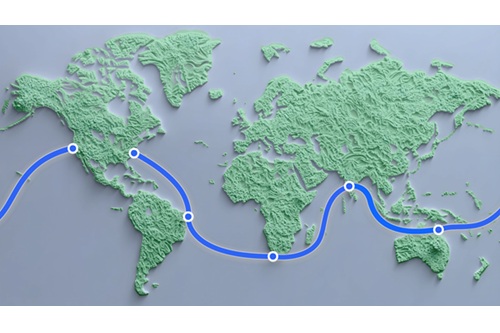
The Broadband India Forum has urged India’s Department of Telecommunications to strengthen submarine cable resilience through expanded landing infrastructure, domestic repair capability and changes to licensing and approvals. In a letter dated November 3, 2026, the industry group proposed measures addressing both outage recovery and future connectivity demand. BIF, whose members include Meta, Google, Tata Communications, Lightstorm and NEC, is seeking government action rather than announcing infrastructure deployment. Its recommendations remain under government consideration, with no reported adoption or completed projects arising from the letter.
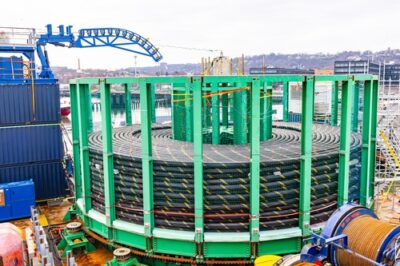
A central proposal is an Indian-flagged cable repair ship, potentially backed by a public-private partnership, public funding or the Digital Bharat Nidhi. BIF said reliance on foreign vessels stationed in Dubai and Singapore adds 10–12 days to mobilization, while average repair response can stretch to three to five months. The forum cited an annual global total of 150–200 cable faults and estimated that downtime can cost more than $1.5 million an hour. For cable owners and operators, the proposal targets a practical vulnerability: access to repair resources and the time required to restore damaged infrastructure. BIF also requested repair-vessel clearances within seven days.
The forum called for ten times as many cable landing stations and a four- to fivefold expansion in cables reaching India. It put the country’s existing base at 18–21 cables and 21 landing stations, against approximately 1,900 stations globally. To support expansion, BIF suggested either advance approval of sites along the mainland’s 7,800-kilometer coastline or a 30-day approval window for landing stations and cable developments. Its commercial proposals would let infrastructure providers lacking international long-distance licenses construct and operate landing stations and hold passive assets, while capacity sales would remain with licensed telecommunications entities. That division could broaden infrastructure participation without transferring the capacity-selling role to unlicensed providers.
BIF additionally requested an exemption from lawful-interception obligations for international transit traffic that does not enter India. Its demand outlook anticipates Indian data consumption growing 20–30 times by 2030, with systems serving the country potentially requiring roughly 3.3 petabits per second in design capacity, based on projected data-center capacity of 12 gigawatts. Those figures are BIF projections, not committed network builds. The next confirmed policy milestone is separate departmental work on a single-window process for repair clearances, targeted for March 2027. That target does not establish acceptance of BIF’s broader package; no vessel acquisition, construction contract or completed landing-station expansion was reported.

news via inbox
Sign up to get the latest updates straight to your inbox!