Windward Reports Vessel Activity Near Asia Cable Routes
 Windward Maritime Intelligence Operations Center, Windward
November 9, 2026
Windward's Maritime Intelligence Operations Center has published an analysis of vessel movements near submarine cable corridors in East Asia and the western Pacific. Its November 9 report combines the company's Maritime AI platform data with open-source reporting. The observation window runs from August 24 to November 5, 2026; the movements described are historical observations, rather than a current incident alert.
Windward reports that three vessels sharing a Xiamen-based manager linked to a Chinese state-owned enterprise stopped near three cable corridors between October 15 and November 4. The public report redacts vessel identifiers and ownership entities. It explicitly states that the vessels, owners and manager are not sanctioned and that no fault had been reported on the four cables discussed.
One university research vessel reportedly worked 26 survey stations east of Taiwan around the SJC2 and EAC-C2C corridors. Windward describes a subsequent sequence of stops crossing the SJC2 corridor and the Taiwan-Japan exclusive economic zone boundary. It cites Japan's coast guard observing equipment that appeared to be a wire being lowered on October 30. That observation does not establish contact with a telecommunications cable.
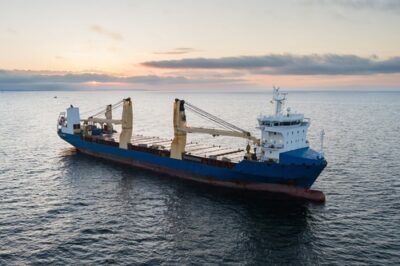
A second university survey vessel showed two AIS reporting gaps on November 3 and 4 before appearing in the SEA-H2X corridor, according to Windward. The report describes a Hong Kong-flagged bulk carrier from the same managed fleet slowing near the Pacific Light Cable Network route, spending roughly 31 hours in the area and then continuing its voyage. These are the company's interpretations of movement records, not findings of damage.
Windward assesses that the research vessels were likely gathering route, depth and seabed information. It also interprets the shared management and timing as suggesting coordination. Neither assessment establishes intent or a coordinated operation as fact. The report acknowledges that AIS cannot reveal what equipment did beneath the vessels or whether a cable was touched; seabed surveying is another possible explanation for research-ship activity.
For cable operators, the report illustrates how vessel tracks, equipment observations and ownership records can be combined to identify activity for further review. Its public redactions limit independent checking of the vessel-level claims, and the report does not provide evidence of cable contact or damage. Proximity and interrupted AIS reporting therefore warrant careful attribution and corroboration, rather than descriptions of proven sabotage. Any subsequent fault or official investigation would require a separate, dated assessment.

news via inbox
Sign up to get the latest updates straight to your inbox!